
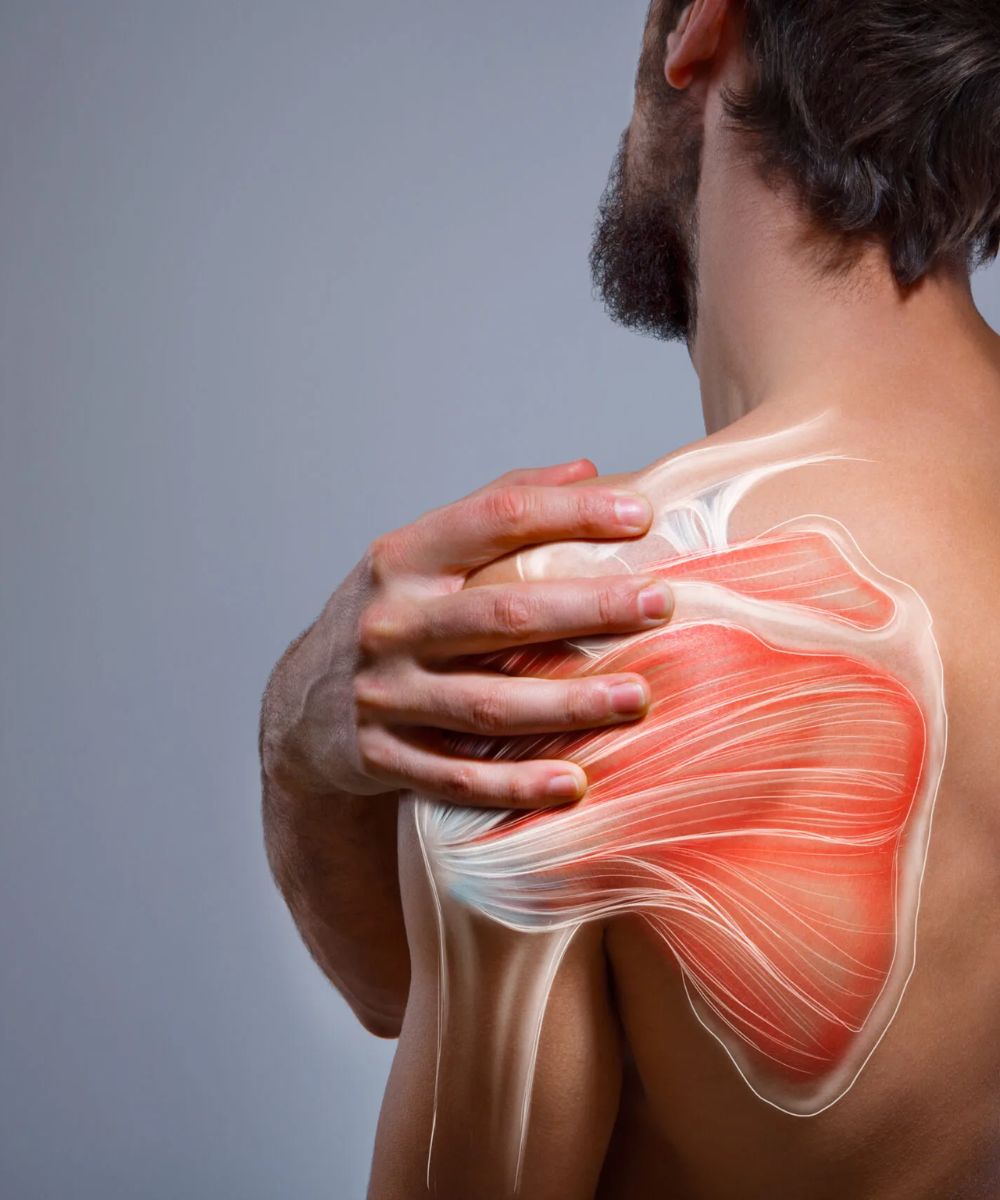
Rotator cuff injuries and recurrent shoulder dislocation are common shoulder conditions that can cause significant discomfort and limit mobility. The rotator cuff is a group of four muscles and their tendons that stabilize the shoulder joint and enable a wide range of arm movements. Injuries to the rotator cuff, such as tears or inflammation, often result from overuse, trauma, or degeneration due to aging, leading to pain, weakness, and difficulty lifting or rotating the arm.
Recurrent shoulder dislocation, on the other hand, occurs when the head of the upper arm bone (humerus) repeatedly slips out of the shoulder socket (glenoid). This instability is often caused by a prior dislocation that has stretched or damaged the ligaments, cartilage, or surrounding tissues. Both conditions may require treatment ranging from physical therapy and rest to surgical intervention, depending on their severity and impact on daily activities.
The rotator cuff is a group of four muscles and their tendons that stabilize the shoulder and allow for a wide range of arm movements, such as lifting and rotating. Rotator cuff injuries occur when these muscles or tendons become inflamed, torn, or damaged due to overuse, trauma, or degeneration over time.
Recurrent shoulder dislocation occurs when the shoulder joint repeatedly becomes unstable and the ball of the humerus (upper arm bone) slips out of the glenoid (shoulder socket). The shoulder is the most commonly dislocated joint in the body because of its wide range of motion and relatively shallow socket.
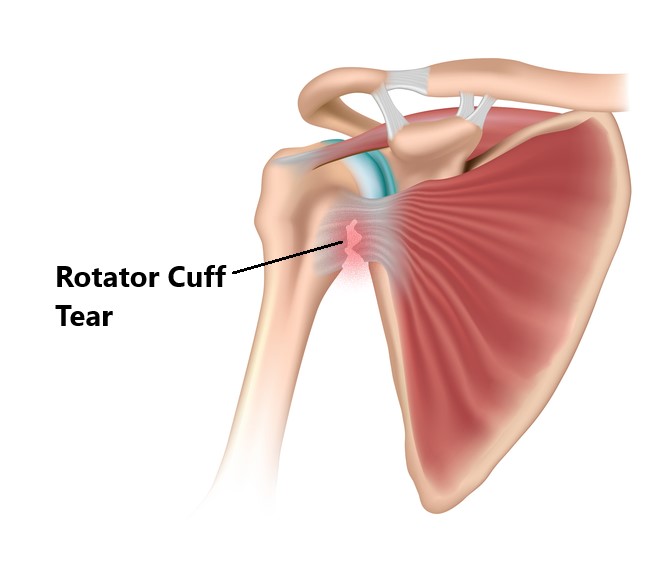
Recurrent shoulder dislocations can increase the risk of rotator cuff injuries, especially in older individuals, because dislocation can damage the rotator cuff tendons. Conversely, rotator cuff injuries may predispose individuals to instability and potential dislocations, creating a cycle of injury and dysfunction.
Managing both conditions typically requires a combination of strengthening exercises, mobility work, and—if necessary—surgical intervention to restore stability and function.
Dr. Sange Negi, MBBS, MS (Orthopaedics), DNB, with specialized training in knee and shoulder arthroscopy, offers expert diagnosis and treatment for these conditions.
Using advanced arthroscopic techniques, he can repair rotator cuff tears, stabilize the shoulder joint, and address underlying issues causing recurrent dislocations.
His minimally invasive approach ensures faster recovery, reduced pain, and better long-term outcomes for patients suffering from these debilitating shoulder conditions.
Important links
Specialities
Orthopedic Consultant @
Shimla Multispeciality Centre.
Shiv Kuteer, North Oak Sanjauli, Shimla
Mon – Fri : 10:00 AM – 05:00 PM
Sat : 10:00 PM – 02:00 PM
Visiting Consultant @
Shimla Sanitarium & Hospital Carton House, Chaura Maidan Road, New Shimla, Shimla – 171009
(Near Cecil Oberoi)
Sun: 10:00 PM – 02:00 PM
© Dr Sange Negi 2025 | All Rights Reserved