
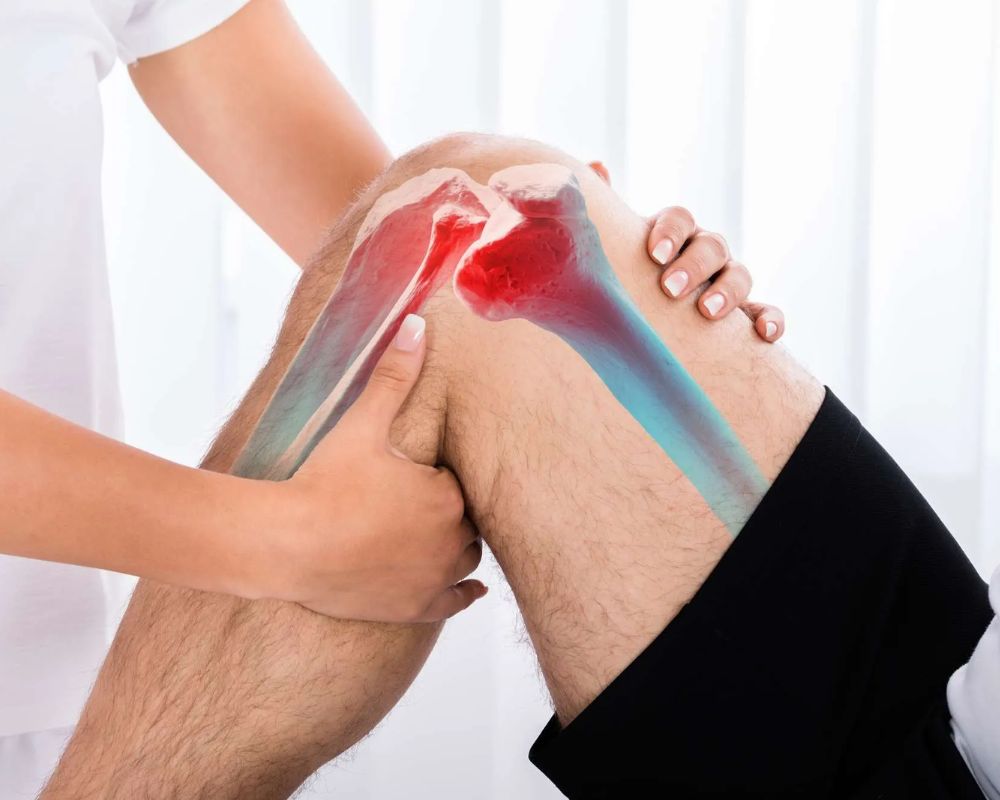
Ligaments are strong, fibrous tissues that connect bones within a joint, providing stability and facilitating movement. Injuries to ligaments, commonly known as sprains, occur when these tissues are stretched or torn due to sudden movements, falls, or direct impacts. Symptoms of a ligament injury can include pain, swelling, bruising, joint instability, and a reduced range of motion.
Treatment for ligament injuries varies based on severity. Initial care often involves the RICE protocol: Rest, Ice, Compression, and Elevation. Over-the-counter pain relievers may also be recommended to manage discomfort and reduce inflammation. For more severe injuries, such as complete tears, medical interventions like physical therapy, bracing, or even surgical repair might be necessary.
Ligament injuries in the knee, specifically ACL (Anterior Cruciate Ligament), PCL (Posterior Cruciate Ligament), and Meniscus Injuries, are common types of knee injuries that occur due to trauma, overuse, or degeneration. Here’s a breakdown of each:
The ACL is a crucial ligament in the center of the knee that prevents the shinbone (tibia) from sliding forward relative to the thighbone (femur). It also stabilizes rotational movements.
The PCL is located at the back of the knee and prevents the tibia from sliding backward relative to the femur. It’s thicker and stronger than the ACL.
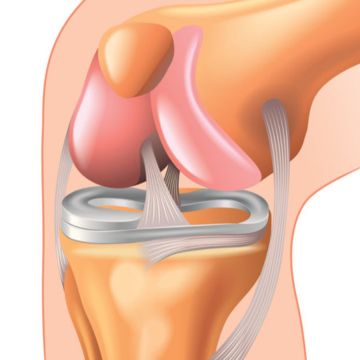
The meniscus is a C-shaped cartilage in the knee that acts as a shock absorber between the femur and tibia. Each knee has two menisci (medial and lateral).
If you suspect a ligament or meniscus injury, it’s essential to consult a healthcare provider for a proper diagnosis and treatment plan. Early intervention can prevent long-term complications like instability, chronic pain, or arthritis.
Dr. Sange Negi is a renowned orthopaedic specialist associated with the Shimla Multispeciality Centre. With his expertise in orthopaedics, Dr. Negi is well-equipped to diagnose and treat various ligament injuries.
He can provide comprehensive care, from initial assessment and conservative management to advanced surgical interventions if required. His association with a multispeciality center ensures access to a broad range of diagnostic tools and rehabilitation services, facilitating a holistic approach to patient care.
If you’re experiencing symptoms of a ligament injury, consulting with an orthopaedic specialist like Dr. Negi can help determine the appropriate course of treatment tailored to your specific needs.
Important links
Specialities
Orthopedic Consultant @
Shimla Multispeciality Centre.
Shiv Kuteer, North Oak Sanjauli, Shimla
Mon – Fri : 10:00 AM – 05:00 PM
Sat : 10:00 PM – 02:00 PM
Visiting Consultant @
Shimla Sanitarium & Hospital Carton House, Chaura Maidan Road, New Shimla, Shimla – 171009
(Near Cecil Oberoi)
Sun: 10:00 PM – 02:00 PM
© Dr Sange Negi 2025 | All Rights Reserved